
An Inexperienced Reverse Mortgage Loan Officer Could Cost You Time and Tens of Thousands of Dollars

Click image to see more detail
Your home may be one of your largest assets. When you use its equity to support your retirement, the person guiding you through that decision truly matters.
An inexperienced loan officer may be friendly, responsive, and successful at traditional mortgages. But reverse mortgages require specialized knowledge. Choosing a program that doesn’t fit your goals—or mishandling the process—can lead to unnecessary costs, delays, and frustration.
Depending on the loan amount, differences in rates, fees, and how you access your funds, the financial impact could reach tens of thousands of dollars over time.
The Right Loan Starts With Your Goals
Before recommending a reverse mortgage, a specialist should understand what you want to accomplish. Are you looking to:
- Eliminate mandatory monthly principal and interest mortgage payments?
- Supplement your retirement income?
- Establish a line of credit for future expenses?
- Update your home or address deferred maintenance?
- Preserve other retirement assets?
- Purchase a home that better fits your next chapter?
These goals can call for different loan structures. A proprietary reverse mortgage may be a more suitable option than a federally insured Home Equity Conversion Mortgage, or HECM. The right choice depends on your age, home value, borrowing needs, costs, and long-term objectives.
That is why it is important to work with an experienced reverse mortgage specialist who has access to multiple lenders and programs—and understands how to compare them.
Even within a program, the way you receive your funds matters. Taking a lump sum, receiving monthly advances, or establishing an available line of credit can produce different outcomes.
Why Work With a Mortgage Broker?
An experienced mortgage broker can shop among the lenders they work with on your behalf, comparing available programs, rates, fees, and loan structures.
Instead of reviewing only one lender’s offerings, you can evaluate multiple choices with someone who understands the differences and can explain how they relate to your goals.
Ask whether your broker offers both HECM and proprietary reverse mortgages. Access to multiple lenders is valuable, but the expertise to identify a suitable option is just as important.
You deserve a recommendation based on your circumstances and a clear explanation of why it makes sense.
Small Differences Can Become Large Costs
A loan officer who presents only one option may overlook a better fit.
Simplified Example
A homeowner borrows $250,000 and makes no payments or additional withdrawals.
- At a constant annual borrowing cost of 7%, compounded monthly, the balance grows to approx. $502,000 after 10 years.
- At 8%, it grows to approx. $555,000.
*This illustration assumes identical starting balances and excludes upfront costs. Actual reverse mortgage results depend on rates, mortgage insurance where applicable, fees, withdrawals, and payments. It demonstrates why comparing the long-term numbers matters.
A lower rate also needs to be weighed against upfront expenses, available proceeds, and flexibility. For some homeowners, a proprietary reverse mortgage may offer a better fit; for others, a HECM may be preferable. An experienced broker should help you evaluate the complete picture.
Inexperience Can Delay Your Loan
Reverse mortgages have their own counseling, documentation, property, and underwriting requirements. An inexperienced loan officer may miss an issue that should have been addressed early: incomplete financial documentation, a trust that needs review, required property repairs, or questions involving a spouse’s eligibility and protections.
When these issues surface late, your file can stall. You may find yourself submitting documents repeatedly, waiting for answers, or discovering that the closing date you were counting on is no longer realistic. Meanwhile, existing mortgage payments and other expenses may continue.
Retirement financing should bring clarity. Poor preparation can turn it into a source of stress.
Expect Three Clearly Explained Options
My approach is to give you three meaningful options to compare when your qualifications and available programs allow it. These may be different programs, lender offers, or ways to structure the funds. Each option should show:
- The total funds available to you.
- Upfront and ongoing costs detailed clearly.
- How you can access the money.
- The projected loan balance over time.
- The advantages and tradeoffs for your goals.
A trained specialist should explain why one option may fit you better and give you room to ask questions. You deserve to understand your choices before making a decision.
Experience Helps Keep Closing on Track
With a complete application, counseling completed promptly, and no extenuating circumstances, a three-to-four-week closing can be a reasonable target. That is a target, and is tied to a borrower’s responsiveness. Appraisal scheduling, additional appraisal requirements, title issues, repairs, and underwriting conditions can extend the timeline.
The national average is 43 days from application to closing, mine is 21 days.
An experienced specialist anticipates these issues, gives you a clear checklist, and keeps you informed. You should know what is needed, who is handling it, and what happens next.
Choose Your Specialist Carefully
Before selecting a reverse mortgage loan officer, ask:
- How much of your business involves reverse mortgages?
- What specialized training or credentials do you have?
- Do you offer both HECM and proprietary reverse mortgages?
- Are you a mortgage broker with access to multiple lenders?
- Will you show me three relevant alternatives when available?
- Can you explain projected costs and balances over time?
- What could delay my loan, and how will you keep me updated?
Your Retirement Deserves an Informed Decision
A reverse mortgage can help eligible homeowners improve cash flow and use home equity strategically. It also carries costs and responsibilities. Borrowers must meet applicable occupancy requirements, maintain the home, and pay property taxes, homeowners insurance, and other required property charges.
Choosing an experienced mortgage broker who specializes in reverse mortgages can help you compare available options and select a loan that supports your goals.
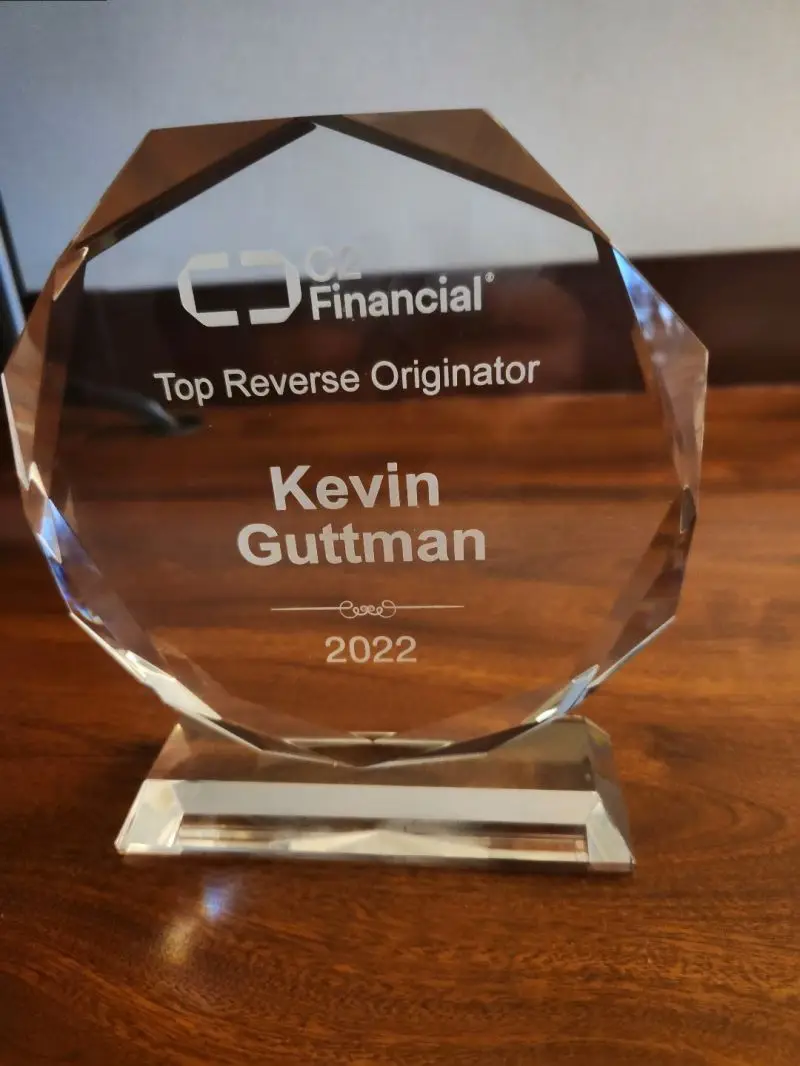
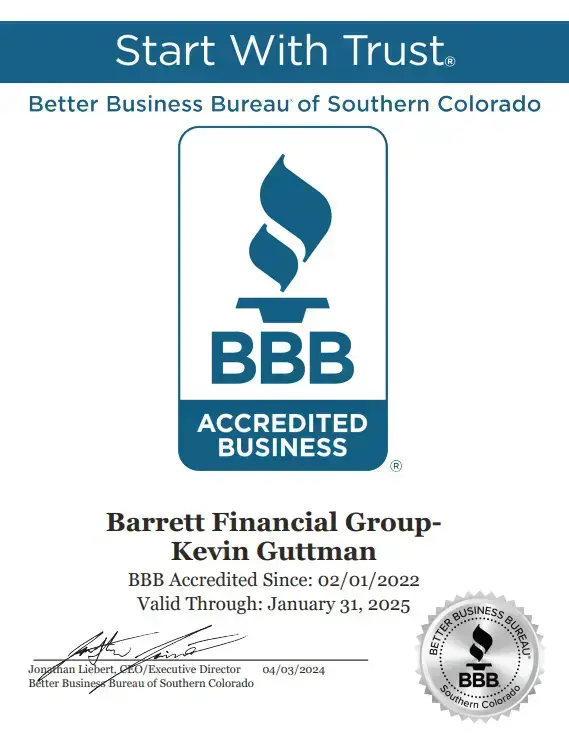
Kevin Guttman, CRMP
Certified Reverse Mortgage Professional | C2 Financial | NMLS #384936
With more than two decades of mortgage experience. As a mortgage broker, I can shop among multiple lenders and help you compare HECM and proprietary reverse mortgage options. My approach starts with listening, reviewing your choices, and explaining the numbers in plain language.
Ready to Review Your Options?
Before you commit to a reverse mortgage, let’s review your goals and compare your options. A thoughtful decision today could save you considerable time, frustration, and money in the years ahead.
© 2026 Reverse Mortgage Revolution. All rights reserved.