

Kevin Guttman helps Colorado seniors understand reverse mortgage options to unlock home equity
How to Find a Reverse Mortgage Specialist and the Best Company for You
Choosing a Reverse Mortgage Specialist is a significant financial decision. Choosing the right company and professional who helps you understand it deserves just as much attention. The right specialist should listen carefully, explain your options clearly, and help you decide whether a Reverse Mortgage fits your goals—even when that means recommending you wait or consider another approach.
How can you separate a knowledgeable specialist from someone who only occasionally handles these loans? Start with these ten steps.
1. Ask about Reverse Mortgage experience
A mortgage license alone doesn’t tell you how much experience someone has with Reverse Mortgages.
Ask:
- How long have you worked with Reverse Mortgages?
- How many have you personally helped close in the past year?
- Have you handled situations similar to mine?
- Who will manage my application and keep me informed?
Someone who regularly works with Reverse Mortgages is more likely to recognize potential complications early, explain the choices available, and anticipate the documentation your situation may require.
Experience should show up in clear answers and thoughtful questions—not simply a claim to be an expert.
2. Evaluate the company and the individual
A familiar company name can provide reassurance, but you will also depend on the individual advising you.
Find out whether the company has a dedicated Reverse Mortgage team, experienced processing support, and a clear communication process. Ask who will help if your specialist is unavailable.
Then evaluate the person. Do they listen? Explain unfamiliar terms? Follow through when promised?
You deserve both a capable company and a professional who takes responsibility for your experience.
3. Consider a mortgage broker with multiple lender relationships
An experienced Reverse Mortgage broker can compare offerings from multiple lenders. That can save you the work of contacting each lender yourself and may help you find more suitable terms.
Ask which lenders the broker works with and which programs they can offer. Access to several lenders is valuable when the professional knows how to compare their options for your particular goals.
For example, an FHA-insured Home Equity Conversion Mortgage, or HECM, may be appropriate for one homeowner, while a proprietary Reverse Mortgage may be worth considering for another.
Ask for written comparisons that explain available proceeds, interest rates, fees, mortgage insurance where applicable, and projected loan balances. The best choice depends on how you intend to use the loan—not just the largest amount available upfront.
4. Look for NRMLA membership
The National Reverse Mortgage Lenders Association, or NRMLA, provides industry education, advocates on reverse mortgage policy, and maintains a Code of Ethics and Professional Responsibility.
Company membership is a positive sign of industry involvement and a commitment to those standards. However, NRMLA is a trade association, and membership is not government approval or a guarantee of service.
Verify membership, then consider it alongside experience, credentials, and the company’s record.
5. Look for the CRMP designation
The Certified Reverse Mortgage Professional, or CRMP, designation demonstrates an additional commitment to reverse mortgage knowledge and professional standards.
NRMLA’s certification program includes eligibility requirements, education, an examination, ethical obligations, and ongoing recertification. Consumers can verify a professional’s designation through NRMLA’s published roster.
A CRMP credential is a useful qualification to look for. Pair it with questions about the individual’s recent experience and ability to explain your choices.
6. Check the Better Business Bureau record
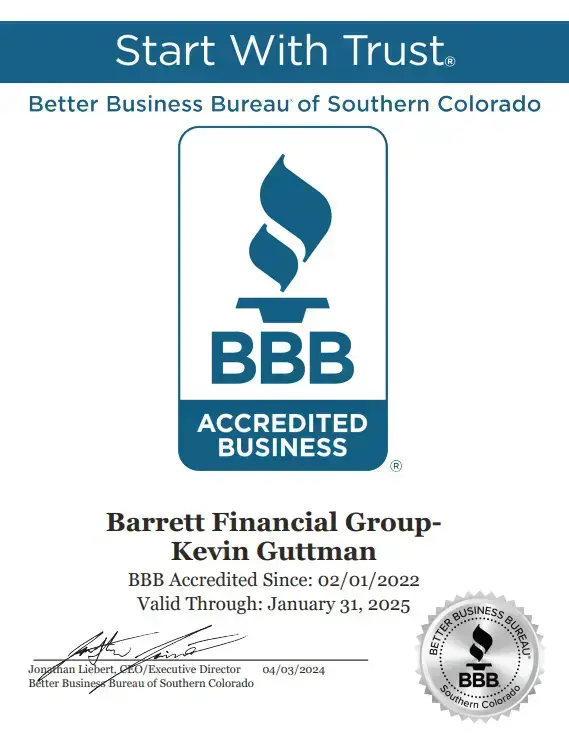
Look up the company’s Better Business Bureau profile. An A or A+ rating is a favorable indicator, but take a few minutes to understand the record behind it.
BBB ratings reflect factors such as complaint history, transparency, and available public information. Read any complaints and the company’s responses. Look for patterns involving communication, unexpected costs, or unresolved concerns.
Also distinguish the company’s letter rating from its accreditation status and customer-review score. They measure different things.
7. Look for a demonstrated commitment to older adults
You should feel comfortable asking questions, requesting written explanations, or including a trusted family member in the conversation.
Some local BBB organizations offer Age-Friendly Business Certification, including BBB of Southern Colorado. Where available, this provides another credential to investigate.
Ask what the certification involves and how the company puts it into practice. More broadly, look for patient communication, accessible materials, and respect for your preferred pace of decision-making.
8. Review their educational work
Has the specialist written a book, published helpful articles, taught classes, or created educational videos?
These resources give you an opportunity to evaluate how they explain reverse mortgages before committing to an appointment.
Look for balanced information. Do they discuss costs, responsibilities, alternatives, and situations where the loan may not be appropriate? Can they make a complicated subject understandable?
Authorship can support someone’s credibility, but the accuracy and usefulness of the material matter more than having their name on a cover.
9. Read reviews beyond the star rating
A strong rating supported by a substantial number of detailed reviews can be reassuring. A professional with 100 or more reviews may provide plenty of feedback to explore—but review count alone should not determine your choice.
Read recent reviews and look specifically for Reverse Mortgage experiences. Notice whether clients mention patience, clear explanations, reliable communication, and respectful treatment.
Google prohibits fake and incentivized reviews, but manipulation can still occur. Use reviews as one source of information, alongside verified credentials and your own conversations.
10. Ask about firsthand experience—and thoughtful judgment
If a specialist personally has a Reverse Mortgage, that experience may offer helpful insight into living with the product.
You can ask what they learned, what surprised them, and how it fits their circumstances. However, a qualified specialist may be too young to qualify, may not own a home, or may have different financial needs. Their personal ownership should be an added perspective rather than a requirement.
The more important question is: Can this person explain why a Reverse Mortgage does—or does not—make sense for me?
Choose someone who helps you make a confident decision
You should leave a consultation understanding your options, the costs involved, your ongoing responsibilities, and what happens when the loan becomes due.
Ask for more than one suitable option where available, with a clear explanation of the tradeoffs. Take time to review the information and involve trusted advisers or family members if you wish.
A good specialist welcomes informed questions. Their goal should be to help you make a decision you understand and feel comfortable with.
Have questions about a HECM, a proprietary Reverse Mortgage, or which approach may fit your retirement goals? Call Kevin Guttman, CRMP, at 877-251-9709 for a conversation about your options.
Kevin Guttman, CRMP | C2 Financial
NMLS #384936 | Company NMLS #135622
Equal Housing Opportunity[cite: 4, 5]