Can I get a reverse mortgage on a second home or rental property?
No — reverse mortgages are only available on your primary residence. You must live in the home as your main residence for most of the year to qualify.

No — reverse mortgages are only available on your primary residence. You must live in the home as your main residence for most of the year to qualify.
No — reverse mortgage proceeds are considered loan advances, not income, so they are not taxable. This means you can use the funds without affecting your income tax liability.
A home equity loan or HELOC requires monthly payments and has a fixed repayment schedule, while a reverse mortgage doesn’t require payments as long as you live in the home. Instead, repayment happens when you move out, sell the home, or pass away.
You cannot outlive a reverse mortgage. As long as you live in the home, maintain it, and meet your obligations, the loan does not come due.
Yes. Independent HUD-approved counseling is required to ensure you understand the program and your options.
There are typical closing costs like any mortgage — including origination fees, appraisal, title, and government insurance (FHA for HECM). These can usually be rolled into the loan.
Yes, as long as the reverse mortgage proceeds are enough to pay off your current mortgage and you meet other eligibility criteria.
Anything you choose — supplementing retirement income, paying off debt, covering healthcare costs, or just improving your quality of life.
No. Reverse mortgages are non-recourse loans, which means your heirs will never owe more than the home is worth at the time of repayment.
Yes! While payments are not required, you can make voluntary payments toward interest, principal, or both — with no prepayment penalties.
The loan is repaid when the last borrower moves out, sells the home, or passes away. This typically happens through the sale of the home.
Yes. You remain the owner and keep your name on the title. You’re still responsible for property taxes, insurance, and maintenance.
This licensee is performing acts for which a real estate license is required. C2 Financial Corporation is licensed by the Colorado Division of Real Estate; California Department of Financial Protection and Innovation, California Finance Lenders Law License # 603L442; Hawaii Department of Financial Institutions, Broker# HI-135622; Idaho Department of Finance, Broker license # MBL-9475; Kansas Office of the State Bank Commissioner; New Mexico Financial Institutions Division; Ohio Division of Financial Institutions, License # RM.804919.000; Oregon Division of Finance, DFR# ML-4917; Pennsylvania Department of Banking and Securities, license # 104755.
As a broker, C2 Financial Corporation is NOT individually approved by the FHA or HUD, but C2 Financial Corporation is allowed to originate FHA loans based on their relationships with FHA approved lenders. 12230 El Camino Real Suite #100, San Diego, CA 92130.
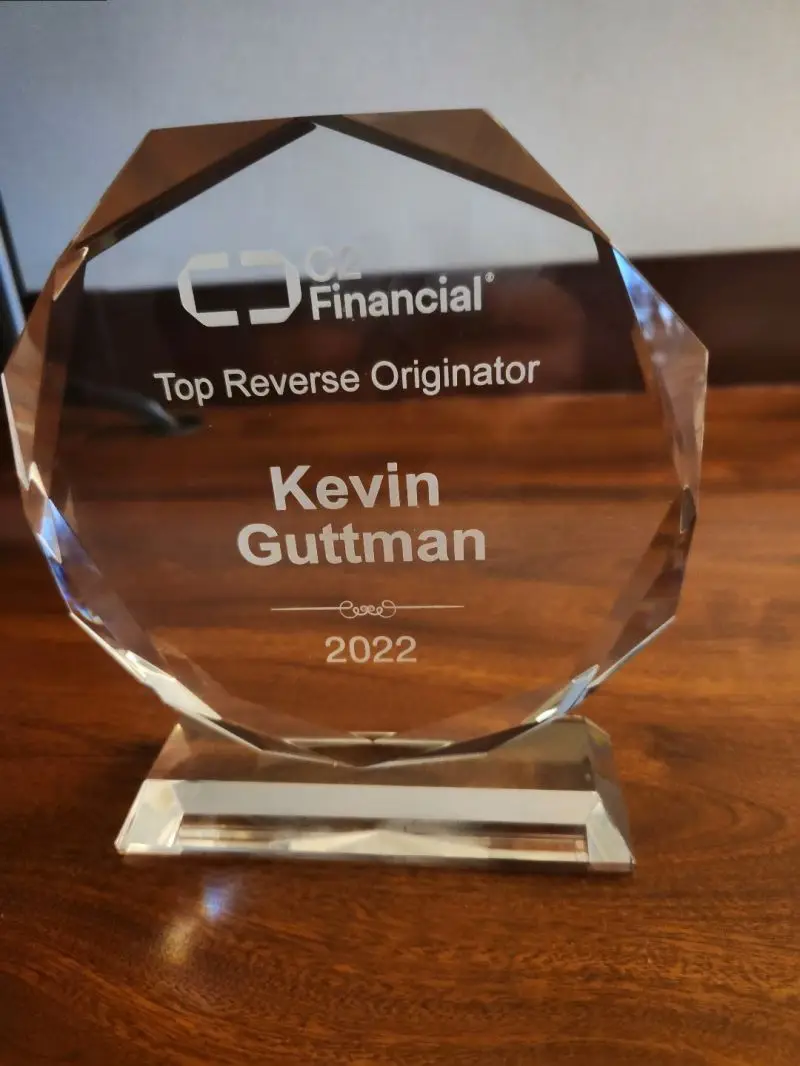
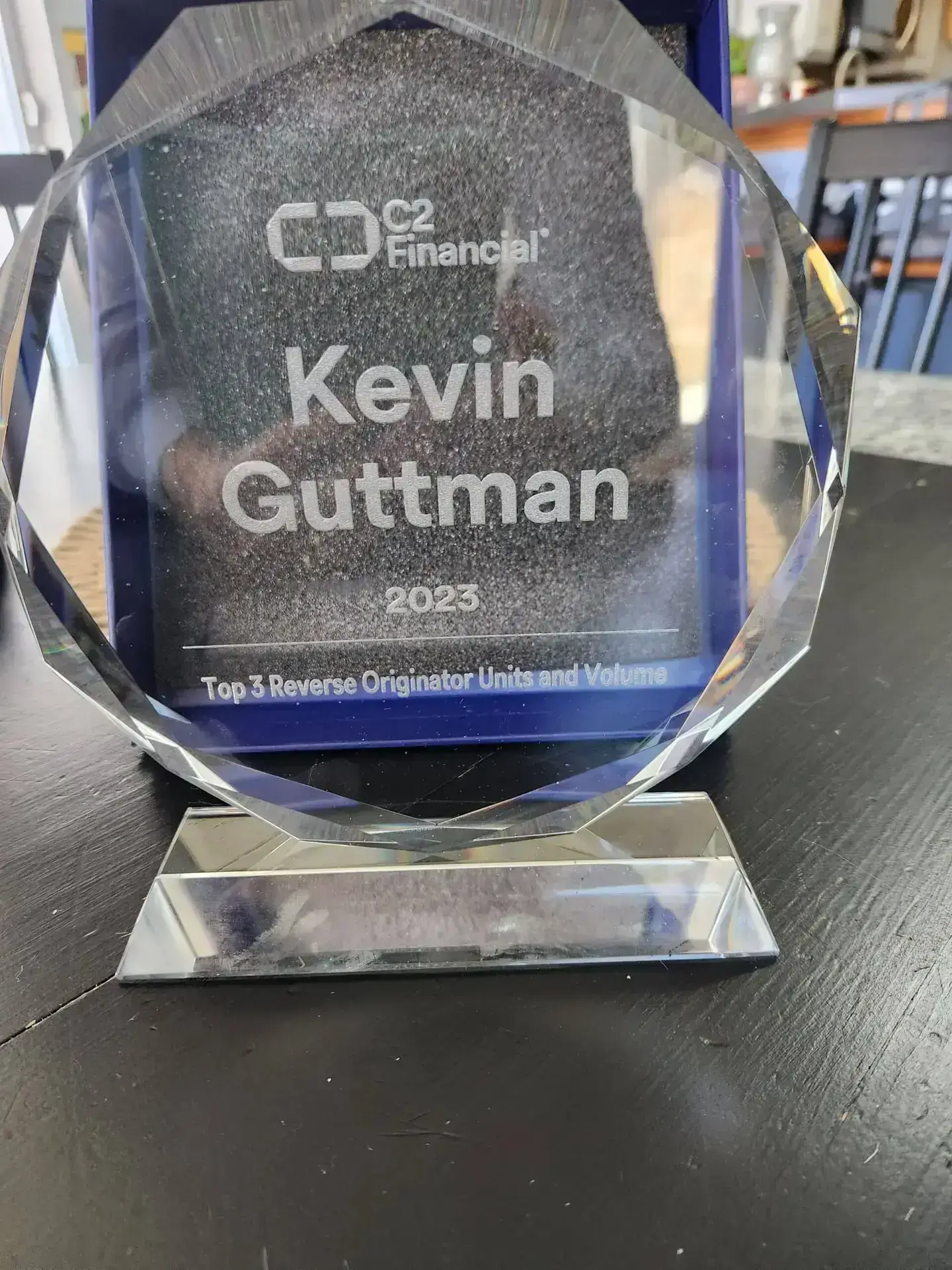
Kevin A. Guttman, Retirement Mortgage Specialist & Sr. Mortgage Broker, NMLS #384936. Licensed in CO, NM, UT, AZ, KS, OK, TX, ID, CA, OR, WA, HI, TN, AL, MI, OH, PA, FL.
C2 Financial Corporation NMLS #135622
C2 Financial Corporate Website | NMLS Consumer Access | Texas Complaint/Recovery Fund Notice
Please call us or fill out the form so we can assist you with any questions or concerns you may have about the benefits of a reverse mortgage.
(719) 302-5820 or (877) 251-9709