
For many homeowners, the idea of a reverse mortgage is something to consider “later.” Later when income feels tighter. Later when savings are depleted. Later when financial pressure increases.
But when it comes to retirement planning, waiting is often the most expensive choice.
When structured properly, a reverse mortgage set up early can provide more flexibility, more security, and better long-term outcomes than one taken out later in life. The difference comes down to one powerful factor: time.
The Common Misunderstanding About Reverse Mortgages
Many people believe reverse mortgages are only for homeowners who are struggling financially. That belief prevents otherwise well-prepared retirees from using one of the most flexible planning tools available today.
In reality, many homeowners establish a reverse mortgage early not because they need the money now, but because they want options later.
Time Is the Hidden Advantage
One of the most valuable features of a reverse mortgage is the line of credit option. Unlike traditional credit lines, this line of credit grows over time. The longer it is in place, the larger it becomes.
Setting up the reverse mortgage earlier allows the credit line to grow for years, sometimes decades, before it is ever used. Waiting until funds are urgently needed removes this advantage entirely.
Early Setup Creates Flexibility, Not Obligation
Getting a reverse mortgage early does not mean you must use it right away.
Many homeowners simply establish it as a financial safety net. They draw from it only when it makes sense, such as:
• During market downturns
• To cover unexpected health or home expenses
• To supplement income later in retirement
• To avoid selling investments at the wrong time
This flexibility is what makes early planning so powerful.
Why Waiting Often Limits Your Options
Waiting until later in retirement can create unnecessary constraints. At that point, homeowners may face:
• Fewer years for credit line growth
• Higher urgency and less planning flexibility
• Greater dependence on withdrawals from savings
• Reduced ability to respond calmly to financial surprises
Starting early shifts the dynamic from reaction to preparation.
Protecting Other Retirement Assets
Many retirees rely heavily on investment accounts for income. During market volatility, selling investments can permanently reduce long-term wealth.
An early reverse mortgage can help protect those assets by providing tax-free funds that can be used strategically when markets are down, allowing investments time to recover.
Reverse Mortgages Are More Regulated Than Ever
Modern reverse mortgages are federally insured, heavily regulated, and include mandatory counseling. The programs available today are far more consumer-friendly than earlier versions that gave rise to many outdated fears.
Education, not urgency, should drive the decision.
Final Thought: It’s About Options, Not Necessity
A reverse mortgage is not about giving something up. It’s about gaining control.
When set up early, it becomes a flexible planning tool that supports long-term financial comfort, protects other assets, and provides peace of mind.
The question is not whether you will ever need access to your home equity.
The real question is whether you want to plan for it calmly or be forced into decisions later.
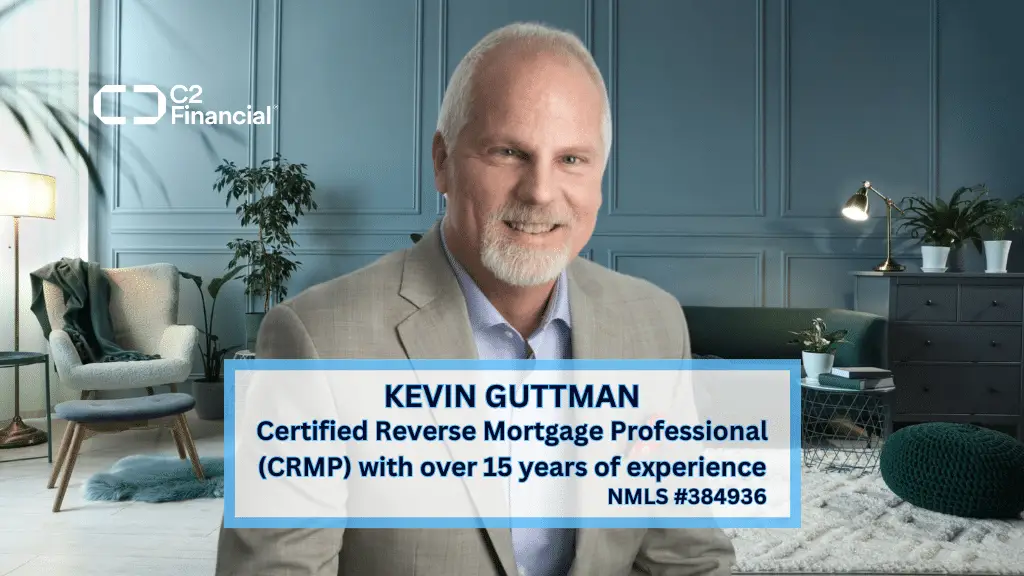
Kevin Guttman, CRMP
Certified Reverse Mortgage Professional
Reverse Mortgage Specialist
NMLS #384936
719-302-5820
Kevin.Guttman@gmail.com
www.ReverseMortgageRevolution.com